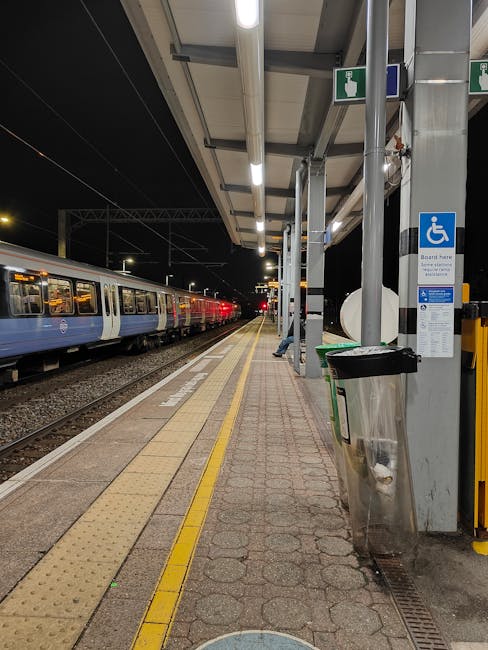
Lewisham removals Ladywell Station access and loading tips
Moving near Ladywell Station can look straightforward on a map, then suddenly turn into a bit of a faff once a van meets a narrow side street, a busy school run, and not quite enough space to swing a mattress through. If you are planning Lewisham removals Ladywell Station access and loading tips matter because the difference between a smooth move and a stressful one is often the first ten minutes on the pavement.
This guide breaks down how to plan access, where loading goes wrong, and what practical steps help you keep the day moving. Whether you are booking a man and van service, arranging a larger home move, or organising a smaller furniture pick-up, the same local rules of thumb apply: think ahead, keep things clear, and make the move easier for everyone involved.
Table of Contents
- Why this matters near Ladywell Station
- How access and loading usually work
- Key benefits and practical advantages
- Who this is for and when it makes sense
- Step-by-step guidance
- Expert tips for better results
- Common mistakes to avoid
- Tools, resources and recommendations
- Law, compliance, standards and best practice
- Options and comparison table
- Case study or real-world example
- Practical checklist
- Conclusion
- Frequently asked questions
Why Lewisham removals Ladywell Station access and loading tips Matters
Ladywell has that very London mix of convenience and complication. You are close to the station, close to main routes, and close to everyday traffic patterns that can change quickly. For removals, that means access is not just a minor detail. It shapes timing, vehicle choice, staffing, parking, and how much lifting needs to happen from kerb to doorway.
In practical terms, good access planning helps you avoid two common headaches: a van that cannot stop where you expected, and a loading bay or kerb space that is taken when the crew arrives. Either one can throw the whole schedule. That is why local moves near station areas often work best when the access plan is agreed before the first box is packed.
There is also a safety angle. A rushed load means more carrying across uneven pavement, more waiting in the road, and more chance of damage to furniture or the property. Nobody wants a wardrobe dinged on a gatepost at 8:15 in the morning. To be fair, it happens more often than people think.
Expert summary: Near Ladywell Station, the smartest removal plan is usually the simplest one: choose a realistic vehicle size, confirm where it can stop, protect the walking route, and load in an order that matches the property layout.
How Lewisham removals Ladywell Station access and loading tips Works
The basic process is about matching the property, the street, and the vehicle to one another. A removals team will usually look at a few key points: how close the van can get to the front door, whether there are parking restrictions, whether the route includes steps or tight corners, and how long loading is likely to take.
For smaller jobs, a man with van setup can be ideal because it is flexible and easier to place on a tighter street. For larger household moves, a house removalists team may bring more muscle and a better loading sequence, which matters when you are moving heavier furniture from a flat or maisonette.
Access planning near a station usually starts with three questions:
- Can the vehicle park close enough for safe loading?
- Will pedestrians, cyclists, or passing traffic need to be paused or worked around?
- Are there building features such as narrow stairs, low railings, or awkward front gardens that slow the carry distance?
Once those are clear, the loading plan becomes much easier. Boxes go first or last depending on destination, fragile items are separated, and large items are grouped so the strongest lifting happens at the right time. It sounds obvious. In the real world, though, it saves a lot of re-handling.
For commercial premises or mixed-use properties around Ladywell, the logic is similar but the timing can be stricter. If you are shifting stock, archive boxes, or office furniture, a commercial moves approach often needs clearer access notes and tighter coordination with building users.
Key Benefits and Practical Advantages
Getting access and loading right near Ladywell Station does more than reduce stress. It can genuinely improve the whole move from start to finish.
- Less wasted time: When the van can stop in the right place, the team starts moving immediately instead of searching for a gap.
- Lower damage risk: Shorter carrying distances mean fewer bumps, fewer twists, and less chance of scratched floors or broken corners.
- Better traffic flow: Good positioning helps the move stay tidy and reduces awkward blocking of the pavement or road edge.
- More accurate scheduling: If access is clear, arrival and completion windows are easier to predict.
- Less strain on people: Moving heavy furniture is demanding enough without adding unnecessary steps or long carries.
There is also a financial angle worth mentioning. Efficient loading can reduce labour time and keep the job from overrunning. If you are comparing options, a simple pricing and quotes page can help you think through what affects the overall cost, especially when access is tight or the move includes awkward items.
One small but important advantage: a carefully planned loading area helps everyone stay calmer. The crew knows where to work, you know what is happening, and the neighbours are less likely to wonder why a sofa is being rotated in the street like a local sculpture. Small thing, but it matters.
Who This Is For and When It Makes Sense
This guide is useful for quite a few situations around Ladywell Station. If any of the examples below sound familiar, you will likely benefit from planning ahead rather than leaving access to chance.
- Home movers: Flats, terraces, maisonettes, and shared buildings where the street is busy or parking is limited.
- Students or renters: Smaller moves that still need careful timing because loading space is tight.
- Families: Moves involving beds, wardrobes, prams, toys, and a lot more boxes than expected. Always more boxes.
- Business owners: Local shops or offices that need quick loading with minimal disruption.
- Anyone moving bulky items: Sofas, appliances, office chairs, filing cabinets, or mixed furniture loads.
If you only need a quick collection, a furniture pick up may be more suitable than a full removal. If the move includes packing or unpacking as well, it can be worth considering packing and unpacking services so the loading area is not slowed down by last-minute boxing.
There is no one-size-fits-all answer here. A small ground-floor flat on a quiet street needs a different plan from a top-floor apartment near a busier junction. That is exactly why local access notes are so useful.
Step-by-Step Guidance
If you want the move to feel organised rather than chaotic, use a simple sequence. Nothing fancy. Just a process that keeps decisions out of the panic zone.
- Inspect the route from door to vehicle. Measure the carry in rough terms. Think about steps, curves, gates, and anything that slows a straight line.
- Identify the best stopping point. Pick the safest and closest legal place for the van, not just the nearest one in theory.
- Check building access details. Ask about door codes, lift use, entry times, and whether the front door needs to be kept clear for neighbours.
- Group items by size and fragility. Put heavy items together, fragile items together, and keep essentials easy to reach.
- Load in the right order. Heavy and durable items often go in first, with delicate and frequently needed things placed where they can be reached safely.
- Keep the pathway clear. Boxes should not slowly spread across the pavement. They tend to do that, honestly.
- Do a final walk-through. Check cupboards, loft spaces, behind doors, and any awkward storage spots before the vehicle leaves.
For a bigger domestic move, it can help to look at a full home moves service so you can match labour and vehicle size to the access conditions. If you are planning a larger vehicle, the moving truck option may suit jobs where the volume is higher and the load needs more structure.
A useful rule of thumb: if you are asking people to carry items a long way, plan the load more carefully. Short carry? You have some breathing room. Long carry? Every detail suddenly matters.
Expert Tips for Better Results
A lot of removal day stress comes from small oversights, not big disasters. Here are the details that usually make the most difference near station access points.
1. Aim for the earliest realistic loading window
Earlier is not always automatically better, but morning loading often gives you a calmer start before the street fills up. Around rail stations, traffic patterns can become less forgiving as the day goes on. Even ten minutes can change the whole picture.
2. Keep a corridor, not just a pile
Boxes tend to drift into the doorway area. Try to leave a clean, narrow path from the main exit to the van. It sounds obvious, but it reduces hesitation and prevents bottlenecks when the crew is carrying something awkward like a mattress or a table leg that refuses to turn nicely.
3. Use labels that actually help on the day
Labels such as "kitchen," "bedroom," and "fragile" are better than vague notes like "stuff" or "misc." If the team can identify priorities quickly, loading is smoother and unpacking becomes less of a treasure hunt.
4. Disassemble only what helps
Not every item needs to come apart. But removing table legs, bed frames, or loose shelves can make tighter access much easier. Balance time against benefit. There is no prize for over-dismantling a wardrobe that would have fitted perfectly as it was.
5. Protect floors and thresholds
Near older homes and shared entrances, floor protection is worth considering. Door thresholds, hallway corners, and stair edges are often the first places to show damage if the load is rushed.
If you want extra support with the physical side of loading, a service like removal truck hire can suit moves where you already have a team but need the right vehicle. For smaller or mixed loads, flexible transport through man and van arrangements often keeps things nimble.
Common Mistakes to Avoid
Most access problems near Ladywell Station are preventable. The trouble is, people often underestimate how quickly a small delay snowballs.
- Assuming the van can stop anywhere: Road layout, parking restrictions, and local traffic can all change the plan.
- Not checking the actual carry distance: What looks like "just a short walk" can become a long haul once you add stairs and corners.
- Leaving packing too late: Last-minute boxes slow loading and make it harder to sequence the vehicle properly.
- Forgetting bulky items first: If the largest furniture is not planned in advance, it can block the route or waste space in the truck.
- Ignoring weather: A wet day changes the safety picture. Slippery paths and heavy cardboard do not mix nicely.
- Not telling the removals team about restrictions: If you know about low ceilings, tight stairwells, or parking issues, say so early.
One mistake deserves special mention: leaving the access plan until the crew is already outside. That is where avoidable friction starts. You do not need a grand spreadsheet. Just a few honest notes and a realistic view of the street.
Tools, Resources and Recommendations
You do not need a van full of specialist equipment to get this right, but a few practical tools make the day easier.
- Measuring tape: Useful for checking door widths, awkward furniture dimensions, and stair clearances.
- Labels and marker pens: Simple, but very effective when sorting boxes by room or priority.
- Blankets, wraps, and straps: These help protect furniture and keep items from shifting while loading.
- Phone photos of access points: A quick photo of the entrance, stairs, or loading point can help explain conditions before moving day.
- Boxes with decent weight spread: Overstuffed boxes become hard to stack and awkward to carry.
For household moves, a well-organised service such as house removalists can simplify the load order and reduce the number of trips needed. If you are relocating a workplace or shared office, an office relocation services approach is usually better because office items often need faster handling and clearer item tracking.
If you care about waste reduction, take a moment to think about reuse and disposal before moving day. The recycling and sustainability page is a useful reminder that not everything needs to travel with you. Some pieces are simply better passed on, recycled, or removed responsibly.
Law, Compliance, Standards and Best Practice
Near station areas, access and loading have to respect the practical realities of local streets, pedestrians, and vehicle safety. Exact rules vary by location and property type, so it is wise to stay cautious and check the situation in advance rather than rely on guesswork.
In normal UK moving practice, the following points are worth keeping in mind:
- Park legally and safely: Never assume loading space is free just because it looks convenient.
- Keep pavements usable where possible: Do not block footways more than necessary.
- Protect workers and residents: Moving equipment, trolleys, and furniture should be handled with care around the public.
- Follow building rules: Flats and managed properties may have their own access conditions, lift booking procedures, or timing limits.
- Use insured and reputable movers: Good operators should be clear about handling, safety, and liability expectations.
It is also sensible to choose providers who are open about safety, payments, and complaints handling. That does not solve access on its own, of course, but it gives you a better overall experience. If you want to review the company's approach, pages like insurance and safety, payment and security, and complaints procedure can be helpful starting points.
Truth be told, the best compliance habit is boring in the best way: check first, move second, and do not improvise with a loaded van in a tight street.
Options, Methods, or Comparison Table
Different move types suit different access conditions. If you are deciding how to handle Ladywell Station loading, this simple comparison should help.
| Option | Best for | Strengths | Watch-outs |
|---|---|---|---|
| Man and van | Smaller moves, single items, flexible collections | Easy to place on tighter streets, usually nimble and quick | May not suit very large loads or many heavy items |
| House removalists | Full home moves, larger furniture, multi-room jobs | More labour, better for structured loading | Needs clearer planning and access notes |
| Moving truck | Higher-volume moves or mixed loads | Greater capacity, fewer trips | Parking and access space become more important |
| Furniture pick up | One-off items or a few bulky pieces | Practical and focused, avoids overbooking | Needs accurate item details so the vehicle fits the job |
The right choice depends on volume, access, and timing. A smaller route near the station might be ideal for a lean setup, while a bigger family relocation may need more structure and a stronger loading plan. That is where a quick conversation with the mover saves time later.
Case Study or Real-World Example
Here is a realistic example. A couple moving out of a first-floor flat near Ladywell Station had a narrow entrance, a short front path, and a street that filled up quickly in the morning. They assumed the van could stop directly outside. In practice, it could not sit there for long because of other traffic and the way the curb space was used.
Instead of trying to force the original plan, the team adjusted. They chose a slightly earlier arrival, stacked boxes by room the night before, dismantled the bed frame in advance, and kept the corridor clear from the front door to the vehicle. The loading point ended up a little further from the entrance than expected, but the move stayed controlled. No frantic back-and-forth. No pile-up in the hallway. And no one was sweating over a sofa that definitely had an opinion about the stairs.
The real lesson was not that the road was difficult. It was that the successful move had already been decided before the van arrived. That is the part people often miss.
For jobs like this, combining a clear access plan with the right service makes all the difference. If the move had included office furniture, archive boxes, or mixed commercial contents, the planning would have looked more like commercial moves. If the client had needed only one or two pieces moved, a smaller option would have been simpler and probably calmer too.
Practical Checklist
Use this before moving day. It is short on purpose.
- Confirm the exact property entrance and loading point.
- Check whether the vehicle can stop legally and safely nearby.
- Measure any tight doors, stairs, or turning points.
- Tell the removals team about lifts, codes, or access restrictions.
- Pack and label boxes by room or priority.
- Separate fragile items from heavy mixed boxes.
- Keep a clear path from the front door to the exit.
- Protect floors, thresholds, and corners if needed.
- Have keys, access codes, and contact details ready.
- Walk through the property once more before departure.
If you want an added layer of reassurance, look at the company background too. Pages such as about us and health and safety policy can help you judge how carefully the operation is run. It is not glamorous reading, granted, but it is useful.
Get a free quote today and see how much you can save.
Conclusion
Lewisham removals Ladywell Station access and loading tips are really about one thing: making the move fit the street rather than hoping the street will fit the move. Once you have a sensible stopping point, a clean loading route, and a realistic vehicle choice, the whole job becomes easier and safer.
That does not mean every move will be perfectly tidy. A box will always be heavier than it looked, and somebody will always say, "It'll be fine," just before a door frame proves otherwise. But with good planning, those moments stay small instead of becoming the story of the day.
If you are preparing for a move near Ladywell Station, keep the plan practical, the loading clear, and the expectations honest. That is usually enough to turn a stressful day into a manageable one. Sometimes that is all you need.
Frequently Asked Questions
What makes Ladywell Station access tricky for removals?
Station areas often have limited parking, changing traffic patterns, and more footfall than people expect. That means a van may not be able to stop exactly where you want, so loading needs a little more planning than a quiet residential street.
How early should I plan access for a move near Ladywell Station?
Ideally, as soon as you know the moving date. Even a basic access note about parking, stairs, and door width helps the removals team decide on vehicle size and timing before the day arrives.
Is a man and van service suitable for Ladywell Station loading?
Often yes, especially for smaller loads or tighter streets. A flexible setup can be easier to position close to the property, but it still depends on the amount of furniture and how much carrying is involved.
What should I tell the removals team before arrival?
Tell them about parking restrictions, entry codes, lifts, staircases, narrow hallways, and any bulky items. The more accurate the access details, the smoother the load usually goes.
How do I stop loading from blocking the pavement?
Keep boxes inside until they are ready to go into the vehicle, leave a clear route to the front door, and avoid stacking items in the entrance. A tidy loading line makes a surprising difference.
What is the best way to load furniture safely?
Load heavier and sturdier items in a planned order, protect sharp corners, and secure loose parts. If possible, dismantle items that would otherwise be awkward in a narrow entrance or stairwell.
Do I need packing help as well as removal help?
If you have a lot of breakables, mixed items, or a short moving window, packing help can save time and reduce stress. It also helps create a cleaner loading sequence, which is useful near busy access points.
What if the van cannot park directly outside?
Then the team may need to use the nearest safe legal stopping point and carry items a little further. That is normal in London. It is better to allow for that in advance than to discover it mid-move.
How do I compare different removal options?
Match the service to the amount of stuff, the type of property, and the access situation. Smaller moves may suit a man and van setup, while larger homes or offices usually need more structure and capacity.
Can access issues affect the overall price?
Yes, they can. Longer carry distances, extra labour, or awkward loading conditions may increase the work involved. That is why it helps to request a clear quote and describe the property honestly.
What should I do the night before the move?
Finish labels, separate fragile items, clear the hallway, and keep keys and access details ready. A small amount of evening preparation often saves a lot of rushing the next morning.
How can I make moving day less stressful?
Keep the plan simple. Confirm access, pack early, decide where the vehicle will stop, and do one final walk-through. Small things, but they calm the day down more than people expect.