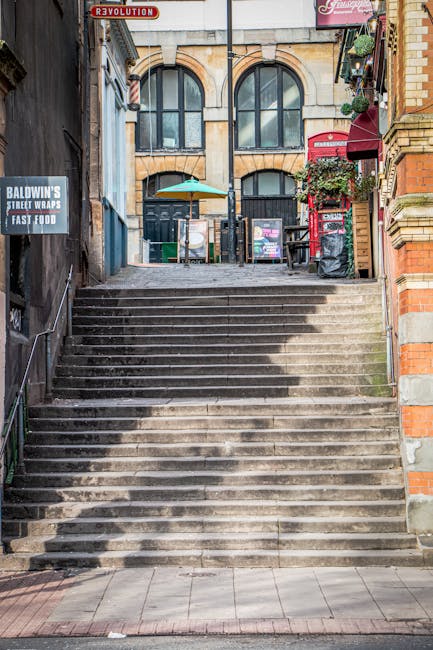
Lewisham High Street removals: navigating narrow Victorian stairs

If you have ever stood at the bottom of a Victorian staircase with a sofa wedged at an angle, you already know the feeling: this is not a standard move. Lewisham High Street removals: navigating narrow Victorian stairs is one of those jobs where planning matters just as much as muscle. In and around Lewisham High Street, many homes and flats come with tight turns, shallow landings, and staircases that seem to shrink the moment a double mattress appears.
That does not mean the move is doomed. Far from it. With the right preparation, the right equipment, and a removal team that understands old London buildings, a tricky stairwell can be handled safely and calmly. This guide walks you through what makes these moves different, how the process usually works, and what to do before the first box leaves the hallway.
Whether you are moving out of a top-floor Victorian flat, helping a relative settle into a period property, or trying to get a heavy wardrobe downstairs without scraping the walls, you will find practical advice here. The aim is simple: fewer surprises, less stress, and a move that feels organised rather than chaotic. And yes, it really can be organised.
- Why narrow Victorian stairs matter
- How the move works in practice
- Benefits of specialist handling
- Who this kind of service suits
- Step-by-step moving guidance
- Expert tips for better results
- Common mistakes to avoid
- Tools and practical resources
- Law, safety and best practice
- Methods and comparison
- Real-world example
- Practical checklist
- Conclusion
- Frequently asked questions
Why Lewisham High Street removals: navigating narrow Victorian stairs Matters
Victorian housing has character. That is the polite way of saying the staircase can be beautiful, awkward, and just a bit unforgiving. Around Lewisham High Street, period conversions and older terraces often feature steep rises, narrow treads, tight half-landings, and sharp corners that make carrying furniture more complicated than people expect.
Why does this matter so much? Because the staircase is often the real bottleneck in the move. You can have a clear van space, neatly packed boxes, and a punctual crew, and still lose time if the wardrobe will not tilt around the banister. The risk is not only delay. It is also damage to walls, railings, paintwork, furniture, and, more importantly, the people doing the lifting.
In our experience, narrow stairs are where good removals become great ones. The difference usually comes down to planning. A team that knows how to protect a stairwell, measure bulky items, and manage carrying angles will move more smoothly and cause far less disruption. That is especially important in busy local streets, where parking, neighbour access, and timed loading windows can all add pressure.
There is another point that gets overlooked: old buildings do not forgive rushed decisions. If you force a sofa through a corner because you do not want to spend ten minutes rethinking it, you can easily end up with torn fabric, chipped plaster, or a strained back. Nobody wants that. Not on moving day, not ever.
Expert summary: The best Lewisham High Street moves are rarely the fastest-looking ones. They are the ones where the crew pauses, checks the angle, protects the route, and moves the item with control rather than panic.
How Lewisham High Street removals: navigating narrow Victorian stairs Works
The process usually starts before anyone lifts a box. A proper removal team will want to know what is being moved, which floor you are on, how wide the staircase is, and whether there are awkward items such as beds, wardrobes, washing machines, or glass furniture. The more accurate the description, the better the plan.
For Victorian stairs, the moving method often depends on three things: size, shape, and route. A bulky item may fit if it can be turned upright. A long item may need to be carried diagonally. A fragile item may need extra wrapping and a second pair of hands. Some furniture comes apart easily; some does not. That little detail can decide the whole day.
On arrival, a team may do a quick walk-through. They will check for tight corners, low ceilings, weak banisters, loose carpet edges, or anything that could snag. If the property is on Lewisham High Street itself, they may also need to think about loading space, foot traffic, and whether there is enough room to keep the pavement clear while work is underway.
Then comes the protection stage. Stair runners, blankets, floor covers, and corner guards are commonly used to reduce scuffs and make the route safer. Good teams do not just protect the big obvious things. They also think about door handles, light fittings, and those irritating little wall corners that seem to collect every single scratch.
After that, the actual lifting begins. This is where technique matters. Movers often carry one end higher than the other, rotate items part way through a stair turn, and communicate constantly. If a landing is tight, the team may stop and reset rather than forcing the item through in one go. That pause is not hesitation. It is skill.
For some moves, the answer is to dismantle large furniture in advance. For others, the best method is to keep it intact but wrap it properly and carry it with a careful two- or three-person lift. There is no universal trick, despite what people may tell you over tea. Every building has its own quirks.
Key Benefits and Practical Advantages
Using a removals service that understands narrow Victorian stairs gives you more than convenience. It reduces friction all the way through the move, from packing to unloading. Here are the main advantages people tend to notice first.
- Less damage risk: Protective materials and better lifting angles help keep your walls, stair rails, and furniture in better condition.
- Safer handling: Experienced movers know how to manage awkward weight, which lowers the chance of slips and strains.
- Faster problem-solving: When an item will not fit straight up the stairs, a skilled crew can often find another route or method quickly.
- Better planning: A team familiar with period properties will usually ask the right questions before the moving day, saving time later.
- Less emotional pressure: Let's face it, moving is already intense. Not having to wrestle a bookcase round a corner helps a lot.
There is also a practical financial upside. Fewer mistakes usually mean fewer repairs, fewer delays, and fewer last-minute fixes. You may still need to budget for disassembly, special handling, or extra labour, but careful planning often avoids the more expensive kind of chaos. The kind that arrives with a chipped banister and a very uncomfortable silence.
For households with children, pets, older relatives, or neighbours sharing the same stairwell, a smoother move is not just convenient. It is kinder to everyone involved. The hallway stays clearer, the noise is lower, and the whole thing feels much less like a small demolition project.
Who This Is For and When It Makes Sense
This kind of move is especially useful if you live in, or are moving into, a Victorian or older converted property around Lewisham High Street. That includes top-floor flats, maisonettes, split-level homes, and older terraces with narrow internal access.
You will probably benefit from this approach if any of the following sound familiar:
- your sofa, bed frame, or wardrobe is awkwardly large
- the staircase has a tight turn or a small landing
- you are moving valuable or fragile items
- you do not want to risk damaging freshly painted walls
- you have limited time for the move-out
- parking or loading access is already tight outside the property
It also makes sense for landlords and letting agents managing changeovers in period buildings. If one tenant is moving out and another is moving in the same day, stair access needs to be handled with care. A rushed overlap can turn a simple handover into a frustrating bottleneck very quickly.
And if you are thinking, "My flat only has one bedroom, surely it will be fine," well, maybe. But the staircase may still be the problem. One heavy ottoman bed base can make a small move feel oddly complex. Size of property and difficulty of access are not always the same thing.
Step-by-Step Guidance
Here is a practical way to approach a Victorian-stair move without losing your mind halfway through.
- Measure the important items. Measure furniture height, width, and depth, but also note diagonal size. Some pieces only fit when tilted.
- Check the stair dimensions. Look at the narrowest point, the landing depth, and any sharp turns. A tape measure and a few photos can save a lot of guesswork.
- Decide what comes apart. Flat-pack pieces, bed frames, and some tables are easier to move in sections. If something can be dismantled safely, that often helps.
- Clear the route. Remove loose rugs, shoes, coats, bins, and anything else that might catch a foot or block the path.
- Protect the property. Use blankets, covers, and floor protection where needed. Even careful movers can catch a corner on a tight staircase.
- Pack for carry, not just storage. Boxes that are too heavy or too tall are harder to balance on stairs. Keep them manageable and consistent where possible.
- Plan parking and timing. If a vehicle needs to load near Lewisham High Street, factor in local traffic, busier footfall, and building access times.
- Assign a clear decision-maker. One person should confirm what stays, what goes, and whether anything needs dismantling at the last minute.
- Keep tools nearby. Screwdrivers, Allen keys, tape, scissors, and labels should be easy to reach. Not buried under socks. That never helps.
- Review the stairs again before lifting. The route may look fine from the hallway, then suddenly feel very different once the first item is halfway round the corner.
A useful rule of thumb: if an item looks questionable before you start, it is worth rechecking rather than trying to "just get it through." That phrase has caused more problems than most people realise.
If you want to keep the whole process more organised, consider combining the move with professional packing and unpacking services. On a stair-heavy move, better packing often makes the carrying stage noticeably easier.
Expert Tips for Better Results
The best tips are usually the practical ones nobody bothers to say out loud. So here are the ones that make the biggest difference in real homes.
- Use the right wrap for the right item. Soft blankets are great for timber furniture. Bubble wrap helps with fragile surfaces, but over-wrapping can make items bulkier than necessary.
- Label by room and priority. On a tight staircase move, you want the first load to be tidy and easy to handle, not a random pile of mystery boxes.
- Take doors off if needed. Sometimes a door or hinge creates the problem, not the furniture itself.
- Keep the hallway calm. Too many people talking at once makes a difficult carry harder. Clear communication beats volume every time.
- Plan a rest point. If the staircase is particularly steep, one short pause on a landing can prevent sloppy carrying and protect the item.
One detail many people miss is grip. A polished wardrobe or smooth mattress bag can be harder to control than you think, especially on a turn. Gloves with good grip can help, as can straps for larger items. It is a small thing, but small things matter on stairs.
Another useful habit is to photograph the route before moving day. It sounds almost too simple, but a couple of pictures of the staircase, the landing, and the entrance can help the moving team plan faster. Less talking, more doing. Which is nice for everyone.
If you are comparing transport options, a service such as man and van can suit smaller moves, while a larger load may call for a more robust vehicle like a moving truck. The right choice depends on what you are carrying and how many trips you want to avoid.
Common Mistakes to Avoid
Most stair-related moving problems are preventable. The trouble is, they often look minor until they suddenly are not.
- Not measuring properly: Guessing whether a wardrobe will fit is a gamble, and the stairs usually win.
- Leaving packing too late: Rushed packing leads to overfilled boxes, loose lids, and heavier lifts.
- Ignoring the landing space: A piece may clear the steps but fail on the turn. That is a classic Victorian-house headache.
- Forgetting about walls and banisters: The furniture may fit. The hallway may not.
- Using the wrong team size: Too few people means strain. Too many without coordination means confusion.
- Not preparing parking access: A smooth stair carry can still be derailed by poor vehicle positioning outside.
One of the most common mistakes is assuming that "a few extra hands" automatically solves the problem. Sometimes it helps. Sometimes it simply adds more bodies to a very small space. The better question is not how many people you have, but whether they know the plan.
Another easy mistake is forgetting the emotional side of the move. People get tired, hungry, and a bit short-tempered. It happens. A short break, some water, and clear roles can make the whole day easier to live through.
Tools, Resources and Recommendations
You do not need a van full of specialist kit for every move, but the right tools make a big difference when stairs are tight.
| Tool or resource | What it helps with | Best use case |
|---|---|---|
| Furniture blankets | Protects surfaces from knocks and scuffs | Wooden furniture, corners, and painted edges |
| Corner protectors | Cushions tight turns and wall impacts | Narrow staircases with sharp corners |
| Strong tape and labels | Secures packaging and keeps rooms organised | Box packing and load sequencing |
| Tools for disassembly | Lets furniture come apart safely | Bed frames, desks, shelving, wardrobes |
| Protective gloves | Improves grip and helps with awkward handling | Heavy items, slippery surfaces, repeated carries |
| Route photos and measurements | Supports planning before moving day | Older homes with tight access |
If you need help with bulky items before the main move, a service such as furniture pick-up can be useful for clearing what you do not want to drag down the stairs. That can reduce load, time, and stress in one go.
For more general moving support, many households find value in home moves or, for smaller loads and access-heavy jobs, man with van services. If you are comparing options, it helps to think about access first and vehicle size second.
Law, Compliance, Standards, or Best Practice
Removal work in London is not only about physical skill. It also touches on safety, access, and responsibility. While this article is not legal advice, a few common UK best practices are worth keeping in mind.
First, safe lifting matters. Professional movers should use sensible manual handling techniques, take weight seriously, and avoid unnecessary strain. If an item is clearly too heavy or too awkward for one person, it should be handled by a team or broken down where possible. That is basic good practice, not a luxury.
Second, property care matters. In older buildings, it is normal to take extra precautions around stair rails, bannisters, and walls. If a move involves shared access, the team should work in a way that avoids blocking other residents more than necessary and keeps the communal route usable.
Third, insurance and safety should be clear before the move begins. If you are hiring help, ask how items are protected, how accidental damage is handled, and what happens if something is not accessible as planned. It is much better to ask beforehand than to sort out confusion later.
You may also want to review a company's internal policies on health and safety and insurance and safety. These pages are useful because they show how a business thinks about risk, not just how it markets the service. In moving, that distinction matters.
For payments and paperwork, clear terms help too. Check the information on payment and security and any relevant terms and conditions before confirming a booking. Simple. Transparent. Less room for awkwardness.
Options, Methods, or Comparison Table
Not every narrow-stair move needs the same solution. The best choice depends on what you are moving, how awkward access is, and how much help you want on the day.
| Method | Best for | Pros | Trade-offs |
|---|---|---|---|
| Full home removals team | Larger moves, multiple rooms, difficult access | More hands, better planning, less stress | Usually the most involved option |
| Man and van | Smaller flats, lighter loads, flexible timing | Good for quick jobs and local moves | May not suit very heavy or large furniture alone |
| Furniture-only collection | Single awkward items or decluttering | Efficient for removing one or two problem pieces | Not a full relocation solution |
| Removal truck hire | DIY movers with experience and time | More control over the move | Requires more planning, labour, and coordination |
If your move is mostly about getting one or two bulky items down a difficult staircase, a lighter service may be enough. If the whole property is packed with furniture, boxes, and fragile belongings, a fuller service is often the wiser choice. Truth be told, the stairwell usually tells you which option is realistic before anything else does.
For people managing commercial premises or mixed-use spaces near the high street, commercial moves and office relocation services may be more relevant, especially where narrow internal access and business timing both matter.
Case Study or Real-World Example
Picture a two-bedroom Victorian flat just off Lewisham High Street. The staircase is narrow, the landing is tight, and the main bedroom contains a divan bed, a wardrobe, and a heavy chest of drawers. Nothing outrageous on paper. In real life, though, the wardrobe turns the corner awkwardly and the chest is just wide enough to make the bannister nervous.
In a move like this, the smart approach is usually to dismantle the wardrobe, remove the bed base in sections, and wrap the drawers before carrying them one by one. The team would likely protect the stair edges, check the route from front door to van, and move the largest items first while everyone still has energy.
What tends to make the difference is not brute force. It is sequencing. The awkward items go first, the boxes follow in manageable loads, and the final sweep covers mirrors, lamps, and loose small items. By late afternoon, the hallway is clear, the stairwell has survived, and nobody has had to improvise in a panic. Which, on moving day, counts as a minor victory and then some.
This kind of example is common enough to be useful, but every property will still have its own little surprises. A slightly tighter turn here, a lower ceiling there, an extra step on the threshold. That is why a quick pre-move assessment is so valuable.
Practical Checklist
Use this checklist a day or two before the move. It is short on purpose. Long lists look clever; short lists get used.
- Measure large furniture and compare it with the stair width and landing space
- Decide which items should be dismantled in advance
- Pack boxes so they are not too heavy for stairs
- Label boxes by room and priority
- Clear the hallway, landing, and stair route
- Protect floors, walls, and corners where possible
- Confirm parking or loading access near the property
- Keep tools, tape, and spare packaging accessible
- Check insurance, safety, and booking details
- Set aside water, snacks, and a phone charger
A small tip: put the essentials in one clearly marked box. Kettle, mugs, chargers, toiletries, a change of clothes. The first night in a new place is always easier when the basics are not buried under six layers of packing tape.
Conclusion
Lewisham High Street removals involving narrow Victorian stairs are all about preparation, patience, and the right moving method. The stairwell may be awkward, but it does not have to be a drama. If you measure carefully, protect the route, plan the lift, and use help that understands older properties, the move becomes much more manageable.
The real goal is not just to get things from A to B. It is to get them there safely, without unnecessary strain, damage, or last-minute stress. That is especially important in period homes where every corner feels a little tighter than expected. But with a sensible plan, even the most stubborn staircase can be dealt with calmly.
If you are comparing moving support, start with the kind of access your property actually has, not the kind you wish it had. That honest step saves time, money, and a surprising amount of frustration.
Get a free quote today and see how much you can save.
And if you are in the middle of planning, take a breath. A difficult staircase is annoying, yes, but it is also just a problem with a solution. One careful step at a time.
Frequently Asked Questions
What makes Victorian stairs difficult for removals?
Victorian stairs are often narrow, steep, and built with tight corners or small landings. That makes it harder to carry large furniture and increases the chance of scuffs, bumps, and awkward lifts.
Can a sofa fit up narrow Victorian stairs?
Sometimes yes, sometimes no. It depends on the sofa size, the stair width, the landing space, and whether the item can be tilted or partially dismantled. Measuring first is the safe move.
Do removal teams usually dismantle furniture?
Many do, especially for beds, wardrobes, and some shelving. Dismantling helps with narrow stairways, but it is best confirmed in advance so the right tools and time are available.
Is a man and van service enough for a stair-heavy move?
It can be, if the load is small and the items are manageable. For larger furniture or a full flat move, a more complete removals service is usually more suitable.
How can I protect my walls and banisters during the move?
Use blankets, floor covers, and corner protection where needed. Careful carrying technique matters too. The best protection is a team that plans the route instead of rushing it.
What should I measure before moving day?
Measure the biggest furniture items, the narrowest part of the staircase, the landing depth, door frames, and any turns that look tight. A few photos can help as well.
Are narrow stair moves more expensive?
They can be, because they may need extra labour, more time, or additional handling. That said, getting the access information right early often prevents more expensive problems later.
What if my furniture does not fit through the stairs?
If an item does not fit, the team may dismantle it, move it in a different orientation, or consider another route. If none of those work, the item may need to be replaced or removed separately.
Should I book a survey before the move?
If access looks tight or the furniture is large, a pre-move assessment is a very good idea. It helps the movers plan properly and reduces the chance of surprises on the day.
How do I know whether I need packing help too?
If you have fragile items, limited time, or a lot of stairs to navigate, packing support can make the move smoother. It often reduces box weight and makes loading safer.
What should I ask a removals company before booking?
Ask about access planning, furniture dismantling, insurance and safety, timing, and what happens if the staircase turns out to be more awkward than expected. Clear answers usually indicate a well-run service.
What is the biggest mistake people make on moving day?
Probably underestimating the staircase. People often focus on the van and the boxes, then discover that the stairs are the real challenge. Measure first, plan first, lift second.