Hither Green (SE13) moves: best parking and timing tips
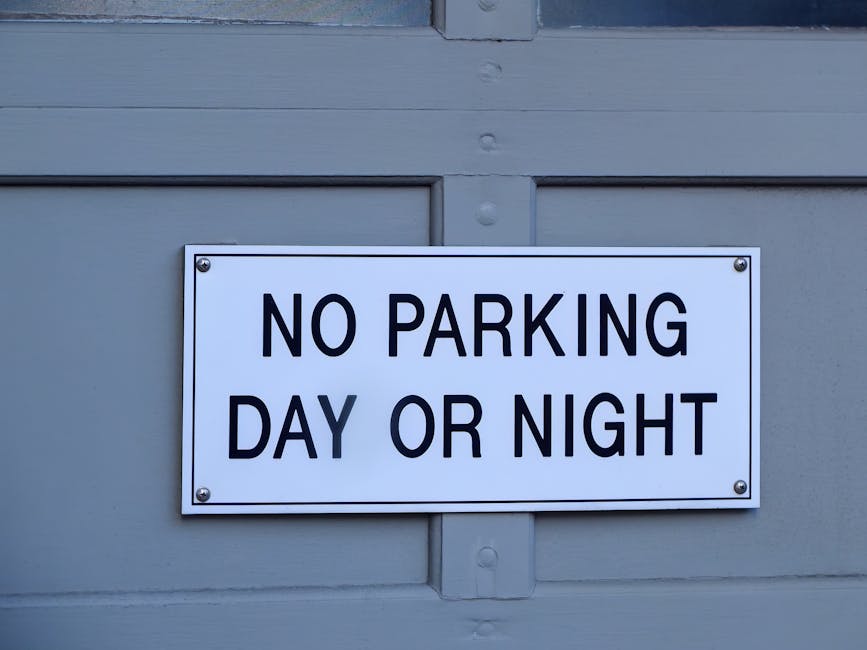
Moving in Hither Green can be straightforward if you plan the parking and timing properly. Sounds simple, but in a SE13 street with narrow roads, resident bays, morning commuters, school runs, and the occasional awkward loading zone, the difference between a calm move and a stressful one often comes down to logistics. The good news? A little local know-how goes a long way.
This guide covers the practical side of Hither Green (SE13) moves: best parking and timing tips so you can avoid last-minute delays, reduce carrying distance, and keep your move as efficient as possible. You will find clear advice on when to book the move, how to think about parking on moving day, what to check in advance, and where common mistakes creep in. If you are also comparing moving support, you may find it helpful to look at house removals, packing services, and storage options as part of the wider plan.
In short: the smoother the access, the less time you spend fighting the street outside your door. And on moving day, that is worth its weight in kettles.
Why Hither Green (SE13) moves: best parking and timing tips Matters
Hither Green is one of those London areas where moving logistics can look easy on a map and feel much more complicated in real life. Streets can be tight, parking can be limited, and even a short walk from van to front door can add time when you are carrying boxes, furniture, and the usual collection of oddly shaped household items that never quite stack neatly.
That is why parking and timing deserve proper attention. If your vehicle cannot stop close enough to the property, every trip becomes slower. If you arrive at the wrong time of day, you may be competing with commuters, deliveries, school traffic, or neighbours returning home. If your move is into a terraced street or a road with limited turning space, the wrong vehicle size or a poor arrival window can easily create avoidable friction.
For many households, the biggest benefit of planning parking and timing in advance is not just speed. It is control. A controlled move means fewer delays, less stress on everyone involved, and lower risk of damage caused by rushing. That matters whether you are moving a studio flat, a family home, or coordinating a larger move with temporary storage. If your move involves dismantling furniture or careful wrapping, it can also help to review furniture removals and fragile item packing so access and handling are planned together rather than separately.
Good moving-day parking is not a luxury. In a place like Hither Green, it is part of the move itself.
There is also a neighbourly angle. A badly parked van, repeated shuttling across a narrow pavement, or a move that drifts into peak hours can create unnecessary tension. Thoughtful timing helps you work faster and leave a better impression. That may sound minor, but anyone who has tried to squeeze a mattress around a parked car knows how quickly small issues become big ones.
How Hither Green (SE13) moves: best parking and timing tips Works
The basic principle is simple: reduce the distance between the moving vehicle and the property, then choose a time when the street is least busy. In practice, you are balancing several factors at once: road width, bay availability, the type of vehicle, building access, and how long the loading or unloading phase is likely to take.
Start by thinking about the property layout. Is there a driveway, private forecourt, or rear access? Is the road restricted by resident parking, yellow lines, or loading limitations? Does the building sit on a corner where stopping is awkward? These details matter because they shape how the move is staged. For example, a van that can park directly outside for 45 minutes may save more time than a larger vehicle left half a street away.
Timing works in a similar way. Earlier in the day often gives you a quieter start, more daylight, and a little buffer if the schedule slips. However, the best time is not always the earliest slot possible. If keys are not being released until later, or if lifts, concierge access, or cleaners need to finish first, a too-early arrival can create pointless waiting around. A good moving company or planner should treat timing as part of access planning, not just a clock-watching exercise.
There is also a practical distinction between arriving and being ready to load. In busy streets, being ready matters more. If the team arrives before boxes are labelled, furniture is dismantled, and the parking position is secured, the job slows immediately. That is why best practice is to line up the van, the access, and the packing flow together. When those three elements match, the move tends to feel much lighter.
If you are moving a whole household, it can be worth combining access planning with broader moving support such as removal services, house packing help, or business removals if you are relocating an office or home workspace. The principle is the same: make the route from vehicle to destination as short and as predictable as possible.
Key Benefits and Practical Advantages
Planning parking and timing properly gives you benefits that are easy to see on the day and even easier to appreciate afterwards.
- Less carrying distance: The closer the vehicle, the quicker and safer the loading process.
- Fewer delays: Avoiding peak traffic and busy parking periods helps the schedule stay on track.
- Lower stress: Everyone knows where to park, when to arrive, and what happens next.
- Reduced risk of damage: Shorter carrying distances mean fewer chances to drop or knock items.
- Better use of labour: Movers spend more time moving goods and less time waiting or walking.
- Improved neighbour relations: Thoughtful timing and sensible parking reduce disruption.
There is also a financial angle, even if it is not always obvious. A move that runs smoothly is less likely to overrun. Less overrun can mean less wasted labour time, less need for repeat trips, and fewer last-minute workarounds. In a live residential area like SE13, that efficiency can make a real difference.
Another advantage is decision-making. When you plan access early, you can choose the right vehicle size, estimate loading time more accurately, and decide whether you need temporary storage for overflow items. That kind of planning is especially useful if the new property is not ready all at once, or if you are moving between dates. In those cases, a service like short-term storage can bridge the gap without turning the move into a scramble.
Who This Is For and When It Makes Sense
This advice is useful for almost anyone moving in or out of Hither Green, but it is especially relevant if your move has one or more of the following features:
- You live on a narrow residential street with limited parking.
- You are moving from a flat, maisonette, or terraced home with no drive.
- You need to coordinate with estate agents, landlords, or access windows.
- You are moving during a busy period such as a weekend, month-end, or school holiday.
- You have bulky furniture, delicate items, or a lot of boxes to shift.
- You want the move to happen in a single day without unnecessary delays.
It also makes sense if you are trying to keep costs sensible. Better timing and parking often help you avoid wasted time, which is one of the easiest ways to keep a move efficient. For example, if you know a street fills up quickly after a certain hour, it may be worth starting before the rush rather than trying to work around it later.
Families tend to notice the benefits quickly because they often have more possessions and a tighter schedule. Older residents may value it because less carrying means less physical strain. First-time movers often benefit too, simply because local parking realities are not always obvious until the van arrives and the street suddenly feels smaller than expected.
If your move includes a partial relocation, decluttering phase, or a staged handover, it may also help to think ahead about packing and sorting. Services such as office packing or general man and van support can be useful when the job needs flexibility rather than a full-scale team.
Step-by-Step Guidance
Here is a practical way to plan Hither Green parking and timing without overcomplicating it.
-
Check the property access first.
Look at where the van can reasonably stop, how far items need to be carried, and whether the road layout allows easy loading. If you can visit in person before moving day, do it. A five-minute look can reveal more than a dozen assumptions.
-
Map out parking restrictions.
Look for resident bays, pay-and-display areas, yellow lines, suspended bays, and any loading restrictions. If the street is controlled, check whether a permit or temporary arrangement may be needed. For more tailored support around access-sensitive moves, contact the team early rather than leaving it until the day before.
-
Choose the best arrival window.
As a rule, earlier starts tend to be easier in residential streets, but the right time depends on your handover, key collection, and traffic conditions. A quiet street at 8 a.m. can be a much better choice than a crowded mid-morning slot, provided everyone is ready.
-
Confirm vehicle size and access route.
Do not assume larger is better. A vehicle that is too large may struggle with access or parking, while a vehicle that is too small may mean extra trips. The goal is the right fit, not the biggest van on the road.
-
Prepare items before the van arrives.
Boxes should be sealed and labelled, furniture should be dismantled if needed, and fragile items should be separated. If the crew is waiting while you finish taping boxes, the timing advantage quickly disappears.
-
Reserve or communicate the parking plan.
If a permit, bay suspension, or agreed loading space is involved, make sure everyone knows the arrangement. Clear communication matters as much as the plan itself.
-
Build in a buffer.
Even well-planned moves can face a delayed key handover, an awkward parked car, or a loading hold-up. A modest buffer is not wasted time; it is insurance against the kind of delay that turns into stress.
If the move is large or the access is difficult, it can help to pair this planning with large furniture moving support or a full packing and moving service. That way, the plan reflects the real shape of the job rather than an idealised version of it.
Expert Tips for Better Results
These are the kinds of details that often make a decent move noticeably better.
- Pre-walk the route: From front door to van, check for steps, narrow gates, low branches, awkward turns, and any point where two people may need to handle a heavy item together.
- Park for the unload, not just the load: Some streets make it easy to stop briefly at the beginning of the move, then awkward later if another vehicle takes the space. Think through the whole sequence.
- Use clear labels: Labels such as kitchen, bedroom, or fragile help the unload happen in the right order, which matters when parking is tight and time is limited.
- Keep essentials separate: Documents, chargers, medication, keys, and a small kettle box should not vanish into the general pile. The fewer emergency searches you make, the calmer the day stays.
- Aim for consistency: One team member managing doors, another moving boxes, and a clear lead on parking can speed things up more than a rushed extra pair of hands.
One small but useful point: if you know a road often has short-stay visitors or commuters, do not rely on wishful thinking. Parking "should be fine" is not a plan. A real plan names the exact space, the exact time, and the backup option if that space is gone.
Another practical tip is to think about weather. Rain makes loading slower, pavements slicker, and cardboard weaker. In damp conditions, timing matters even more because any delay can quickly affect both speed and handling. Keep wraps, covers, and floor protection ready if the forecast is poor.
For moves involving specialist items, timing and parking should be set around the item rather than the other way round. Pianos, large wardrobes, and fragile mirrors deserve a calmer loading sequence. If that sounds like your move, explore piano removals or other specialist handling support well in advance.
Common Mistakes to Avoid
Most moving-day problems in a place like Hither Green are avoidable. They usually come from assumptions that sounded reasonable the day before.
- Arriving before access is ready: A van parked outside is no help if keys are not available or the property is not open.
- Ignoring parking controls: A quick stop in the wrong place can create fines, complaints, or a forced repark.
- Choosing the wrong time of day: Peak traffic, school runs, and commuter pressure can turn a simple job into a slow one.
- Underestimating carrying time: A short street can still take a long time if there are stairs, awkward corners, or lots of items.
- Not protecting the route: Muddy shoes, rain, and repeated foot traffic can damage floors if you do not plan ahead.
- Leaving boxing until the last minute: If items are not packed, nothing else can move quickly.
The most common mistake is probably the simplest: treating parking as an afterthought. In practice, parking decides how the rest of the move behaves. Get it wrong, and everything feels slower. Get it right, and even a busy day feels manageable.
Tools, Resources and Recommendations
You do not need a complicated toolkit to manage a local move well, but a few practical resources make life easier.
- Street-view planning: Use online maps and a real-world visit to understand bay positions, corners, and access points.
- Parking permit information: Check the relevant local council guidance if you need to know how resident bays, visitor spaces, or loading restrictions work in practice.
- Labelled moving kits: Use strong markers, tape, and clear room labels so unloading is quicker.
- Floor and door protection: Covers, blankets, and runners help protect both the old and new property.
- Inventory list: A simple box list prevents confusion when items are being loaded quickly.
- Support services: Depending on the scale of the move, you may want fragile packing support, storage, or a full service that includes loading and transport.
For people moving from or into a flat, it can also be wise to check whether stairs, lifts, or shared entrances may affect the timing. A building with lift access but a strict move-in slot has a very different rhythm from a ground-floor maisonette with street-level loading. Small detail, big impact.
Law, Compliance, Standards, or Best Practice
Moving in London usually means paying close attention to local parking rules, property access arrangements, and common-sense standards of conduct. The exact requirements depend on the street and the authority managing it, so it is best to verify the details directly rather than rely on memory or hearsay.
As a general best practice, you should:
- check for parking restrictions before the move;
- avoid blocking driveways, dropped kerbs, or access routes;
- respect loading-only areas and time limits where they apply;
- communicate clearly with neighbours or building managers if access may be temporarily affected;
- plan for safe lifting and carrying, especially on stairs or uneven surfaces.
If your move involves a communal building, there may be building-specific moving rules as well, such as booking lifts, using protective coverings, or working within approved hours. These are not just formalities. They exist because they help reduce damage, disruption, and disputes. Truth be told, a five-minute check can save an hour of awkward apologising later.
Where uncertainty exists, ask before moving day. That applies especially if you are unsure whether a bay can be used, whether a permit is needed, or whether your chosen arrival time could clash with another arrangement. When a move is planned carefully, compliance tends to follow naturally.
Options, Methods, or Comparison Table
There is more than one way to approach a move in Hither Green. The best choice depends on property access, item volume, and how much help you want on the day.
| Approach | Best for | Parking impact | Timing flexibility | Typical drawback |
|---|---|---|---|---|
| DIY van hire | Small moves with light furniture | Requires you to manage the space and repark if needed | High, if you have time to organise everything | More stress if access is tight or parking is uncertain |
| Man and van | Flat moves, partial loads, flexible schedules | Often better for short access windows and quick loading | Good, especially for local jobs | May still need careful planning in busy streets |
| Full removals team | Family homes, larger loads, furniture-heavy moves | Usually easier to coordinate because the team works to a plan | Moderate, but more structured | Needs clear preparation and a confirmed schedule |
| Move with storage | Staggered handovers or downsizing | Can reduce pressure on move day if items are split across dates | Very useful when dates do not line up | Extra handling step and a little more coordination |
For many SE13 moves, the sweet spot is not the cheapest option or the biggest one. It is the option that matches the street. If parking is tight and the property is awkward, a more coordinated service often pays for itself in reduced delay and fewer complications.
Case Study or Real-World Example
Consider a typical local move from a first-floor flat in Hither Green to a family home a short distance away. The flat is on a road with limited daytime parking, and the new property is on a similarly busy residential street. Nothing dramatic, just the kind of move where details matter.
On paper, the distance is small. In practice, the difference between a smooth move and a frustrating one comes down to when the van arrives, where it can stop, and whether the boxes are ready to go.
In a well-planned version of this move, the team checks access the day before, confirms the best parking space to target, and schedules arrival for a quieter part of the morning. Boxes are labelled by room, key handover is confirmed, and heavier furniture is dismantled before loading begins. The result is not magical. It is simply efficient. The van parks once, loading happens in a sensible order, and the team avoids repeated shuttling back and forth.
Now compare that with a rushed version. The van arrives while keys are still being sorted, the road is already busy, and the person moving has not finished packing two of the largest boxes. The team waits, the parking spot is lost, and the day becomes a series of small delays that add up fast. No single problem is huge, but together they create a move that feels twice as long.
That contrast is the reason parking and timing deserve such careful attention. They are not side issues. They shape the whole experience.
Practical Checklist
Use this checklist in the final 48 hours before your move.
- Confirm the moving date, arrival time, and contact details.
- Check parking restrictions and any permit or loading requirements.
- Walk the access route from van to door.
- Reserve, request, or verify the best available parking space.
- Finish boxing and label every box by room and priority.
- Dismantle any furniture that needs it.
- Pack a separate essentials bag with documents, chargers, medication, and valuables.
- Prepare floor protection, blankets, and door coverings if needed.
- Keep a phone charged for coordination on the day.
- Build in time for a small delay, because one or two usually appear uninvited.
If you tick off the above, you are already ahead of many moves. It is rarely the dramatic plan that saves the day; it is the boring, sensible one. That is not glamorous, but it works.
Conclusion
Hither Green moves are easiest when you treat parking and timing as core parts of the job, not minor details to sort out later. In a local area where road space can be limited and schedules can overlap quickly, the best approach is simple: plan the access, confirm the arrival window, and prepare the property so loading can begin without hesitation.
Whether you are moving a compact flat or a full household, the same principle applies. The closer the vehicle can get, the less time you lose. The more carefully you time the move, the less likely you are to run into traffic, parking pressure, or avoidable waiting. Keep the process calm, practical, and well-communicated, and the day usually becomes much more manageable.
If you want help turning that plan into a real moving schedule, take the next step now.
Get a free quote today and see how much you can save.
Frequently Asked Questions
What is the best time of day to move in Hither Green?
Earlier in the day is often easier because residential streets can be quieter and parking is usually less pressured. That said, the best time is the time that matches your key handover, access arrangements, and traffic conditions.
How do I know if parking will be available outside my property?
Check the street in person if possible, review online maps, and look for resident bays, loading restrictions, and yellow lines. If parking looks tight, always have a backup plan rather than assuming space will appear.
Do I need a permit for moving day parking in SE13?
That depends on the street and the local parking controls. Some areas require permits, while others allow short loading where rules permit it. It is best to verify the current local guidance before moving day.
Should I hire a smaller van for narrow Hither Green streets?
Sometimes yes. A smaller vehicle can be easier to position and may reduce the risk of blocking traffic or needing to repark. The right size depends on the amount you are moving and the access at both properties.
What if my moving crew arrives before I have keys?
That can cause delays quickly, especially in areas with limited parking. Try to synchronise the arrival time with key collection as closely as possible, and allow a sensible buffer for handover delays.
How much does parking affect the overall moving time?
A lot more than most people expect. If the vehicle is close to the door, loading and unloading are quicker. If it is a long carry away, every item takes more time and effort, which can extend the whole move.
Is weekday or weekend moving better in Hither Green?
It depends. Weekdays can mean more commuter traffic, while weekends can bring different parking pressure and fewer formal access options. The best day is usually the one with the clearest parking plan and the least disruption for your property type.
What should I do if my street is full when the van arrives?
Have a backup location in mind, even if it is not ideal. In busy residential areas, a short wait or a temporary legal loading stop may be needed. Communicate quickly so the team can adapt without losing time.
Can packing properly really speed up the move?
Yes. Clear labels, secure boxes, and dismantled furniture can make a big difference because the team can load in a smoother order. Good packing and good parking work hand in hand.
What are the most common access problems in SE13 moves?
Limited parking, narrow roads, awkward corners, steps, and shared entrances are common issues. Flats and terraced houses often need more careful planning than people expect at first glance.
Should I book storage if my move dates do not line up?
If there is a gap between leaving one property and entering the next, storage can be a sensible option. It reduces pressure on moving day and gives you more control over timing, especially when access is tight.
How far in advance should I plan parking for a move?
As early as you can. For a straightforward local move, a few days may be enough to confirm the basics, but more complex moves are better planned earlier so there is time to resolve parking or access issues.