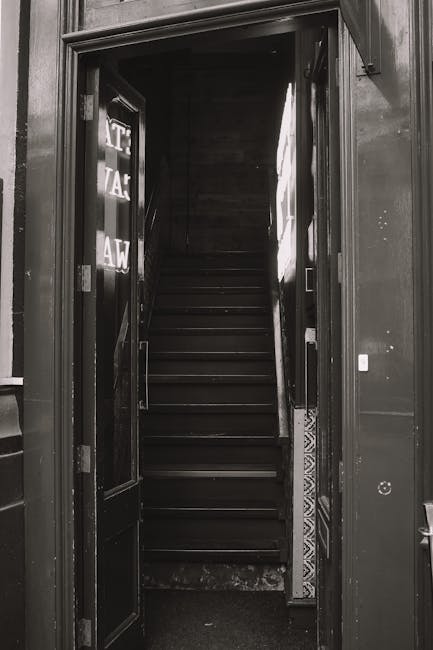
Handling narrow staircases in Lewisham flats: expert fixes
Moving into or out of a Lewisham flat can feel straightforward right up until you meet the staircase. Then reality arrives. Tight turns, awkward landings, old banisters, steep steps, and that one wardrobe that looked perfectly manageable in the lounge suddenly seems to have grown overnight. If you are handling narrow staircases in Lewisham flats: expert fixes are not just helpful, they are often the difference between a smooth move and a very long, very stressful afternoon.
This guide explains the practical methods professionals use to get bulky items through cramped stairwells safely. It covers planning, lifting technique, protection for walls and furniture, and the moments when it makes sense to bring in a man and van service or a larger team with the right equipment. No fluff. Just the real-world steps that help in London flats where space is tight and patience wears thin.
Table of Contents
- Why narrow staircases matter in Lewisham flats
- How the moving process works on tight stairs
- Key benefits and practical advantages
- Who this is for and when it makes sense
- Step-by-step guidance
- Expert tips for better results
- Common mistakes to avoid
- Tools, resources and recommendations
- Law, compliance and best practice
- Options and method comparison
- Case study example
- Practical checklist
- Conclusion
- Frequently asked questions
Why narrow staircases matter in Lewisham flats
Lewisham has a mix of older conversions, purpose-built flats, maisonettes, and compact modern apartments. Many of them were not designed with large sofas, king-size beds, or heavy white goods in mind. That is the core issue. The staircase becomes the bottleneck, and bottlenecks create delay, damage risk, and a lot of back-and-forth thinking you did not plan for.
When a staircase is narrow, the problem is not just width. It is also the shape of the route. You may have a sharp corner halfway up, a low ceiling on the landing, a tight front door swing, or a handrail that steals precious inches. Add a rainy day, tired legs, and a mattress bending like a banana, and things can go sideways quickly. Bit of a grim picture, yes, but a realistic one.
These moves matter because stair access affects almost every other part of the job:
- Timing: what should take an hour can stretch much longer.
- Safety: lifting awkwardly on stairs increases the chance of slips or knocks.
- Damage control: walls, corners, banisters, and item edges are all at risk.
- Neighbour relations: prolonged noise and blocked access can irritate other residents fast.
To be fair, this is where good planning pays off. A professional move is rarely about brute force. It is about reading the staircase before anyone starts lifting. If you want the move to feel calm rather than chaotic, this is where it starts.
How narrow staircase moving works on tight stairs
Handling stairs in a Lewisham flat usually follows a simple principle: reduce risk before the item reaches the stairwell. That means measuring, stripping furniture down where possible, protecting the route, and choosing the right lifting angle before anyone commits to the first step.
In practice, experienced movers tend to work through the same sequence. First, they look at the item and the route together. Then they decide whether the object should be carried upright, tilted, wrapped, or dismantled. If the stairwell has an awkward bend, the team may use a controlled pivot method, where one person leads the top end while another manages the lower end and keeps the item away from the wall. It sounds simple written down. On a narrow stair, though, every centimetre counts.
Sometimes the smartest fix is not lifting at all. Some items are better taken apart, moved in sections, and rebuilt in the flat. That can be the difference between a clean move and a damaged sideboard with one regretful screw missing. If you are moving a bigger household, a properly planned home move can make that decision much easier because packing, loading order, and access planning all sit together.
For business moves, the same logic applies. Office furniture, filing cabinets, monitor stands, and storage units can all become awkward on stairs. In those cases, a structured commercial move plan is often the safer route, especially where the building has shared entrances or time restrictions.
Key benefits and practical advantages
Using the right fix for a narrow staircase does more than protect your furniture. It changes the whole feel of the move.
- Less damage: careful handling reduces chips, scuffs, and crushed corners.
- Better speed: once the route is properly assessed, moving becomes more efficient.
- Lower stress: clear roles and a clear route stop the "wait, turn it that way" spiral.
- More flexibility: you can work around awkward flats instead of being stuck by them.
- Safer lifting: the team can avoid those twisted, back-straining angles that nobody wants.
There is also a practical money angle, though it is worth being sensible here. A careful plan can reduce the chance of breakage, extra trips, or last-minute rental delays. That often saves far more than rushing ever would. And frankly, a damaged sofa on the second landing is the kind of problem no one needs on a Tuesday morning.
Another benefit is access to better equipment planning. If the staircase is too awkward for a standard hand-carry, a team may need a different vehicle setup, more padding, or a larger crew. In some cases, using a man with van option is ideal for smaller loads and less bulky items, while larger homes may need a moving truck or even removal truck hire to keep the process efficient.
Who this is for and when it makes sense
This topic is relevant for anyone moving in or out of a flat with restricted internal access, but some people benefit more than others.
- Tenants in older Lewisham conversions: these often have steeper, tighter stairs than expected.
- First-time movers: if you have never moved a sofa up a narrow stairwell, it is easy to underestimate the challenge.
- Families with large furniture: cots, wardrobes, mattresses, and bookcases can be awkward in small landings.
- Landlords and letting agents: a well-managed move helps protect shared areas and keeps things tidy for the next tenant.
- Small businesses and home offices: office desks, chairs, and equipment can be surprisingly tricky on stairs.
It makes sense to think about this early if the staircase is clearly tight when you first view the property. If you are standing there with a tape measure in one hand and a mild sense of dread in the other, that is your cue. The earlier you plan, the fewer surprises later.
For some situations, a dedicated house removalists team is the better fit because they are used to awkward domestic access, heavy lifting, and protecting shared spaces. For others, especially when the load is smaller or split across a few items, a lighter service may be enough.
Step-by-step guidance
Here is the practical process that usually works best when stairs are tight. It is simple, but simple is good when space is limited.
- Measure the route properly. Check the width of the staircase, each landing, the doorway, and any turns. Do not guess. Guessing is how beds become "probably fine" until they are not.
- Measure the item at its largest point. Include handles, feet, protruding arms, and packaging if it will stay on. A wardrobe that seems fine in the room can suddenly become awkward with its door knobs still attached.
- Decide what can be dismantled. Take off legs, shelves, mirrors, headboards, and removable arms where possible. Keep fixings in labelled bags.
- Protect the access route. Use blankets, corner protectors, floor runners, and taped padding where needed. Shared hallways especially benefit from this.
- Choose the lifting line. Decide whether the item will go vertically, horizontally, or at a controlled angle. The route decides the method, not the other way round.
- Assign one lead mover. Someone should call the turns, pace, and pause points. Too many voices on a tight stairwell is a mess. A noisy mess.
- Move slowly through the pinch points. Landings, door frames, and banisters are the critical spots. Pause there. Re-angle. Then continue.
- Check for scuffs and stability after each item. A quick look between loads catches small problems before they become bigger ones.
If the staircase feels too restrictive even after dismantling and measuring, stop and rethink the plan. That is not failure. It is good judgement. Truth be told, forcing an item through a bad angle is usually the expensive option.
Expert tips for better results
These are the small, experienced habits that make a surprisingly large difference.
- Move the biggest items first when the team is freshest. Energy and attention drop as the day goes on.
- Wrap corners twice if the stairwell is especially tight. A second layer of protection can save a lot of irritation.
- Keep one person outside the stair path if possible. They can receive items, manage space, and stop the flow from clumping up.
- Use gloves with grip, not bulky ones. You want control, not extra clumsiness. Simple as that.
- Take the front door swing into account. Some flats lose valuable room because the door opens inward and narrows the angle.
- Remove loose fittings early. Lampshades, shelves, and detachable feet look minor until they snag on a handrail.
One thing people sometimes forget is the building itself. A staircase in a converted Victorian flat can behave very differently from one in a newer block. The old properties may have tighter turns and uneven wall surfaces; the newer ones may have better geometry but still not enough room for bulky furniture. Different challenge, same headache.
If you are arranging packing as part of the move, it can help to use a service that includes careful wrapping and item labelling. A well-organised packing and unpacking service reduces the number of loose pieces you have to carry up and down, and that alone can make the staircase feel easier to manage.
Common mistakes to avoid
The mistake most people make is assuming the item will "just go if we angle it a bit." Sometimes it will. Sometimes. But the difference between a smart angle and a bad one is usually the difference between a smooth lift and a dented wall.
- Skipping measurements: this is the big one. A quick visual check is not enough.
- Leaving furniture assembled: unnecessary bulk makes narrow stairs much harder.
- Protecting the item but not the staircase: both sides need care.
- Trying to rush the turn on a landing: that is where most knocks happen.
- Using too few people: one strong person is not always better than two well-coordinated ones.
- Forgetting about neighbours: blocked entryways and repeated door propping can be annoying in shared buildings.
There is also the "we'll sort it later" mistake. Furniture can often be reassembled later, yes, but only if the fixings are kept safely together and the parts are not scratched during the move. It is not glamorous, but organised packing saves the day more than once.
Tools, resources and recommendations
You do not need a huge toolkit to manage narrow stairs well, but the right items make a big difference.
| Tool or item | What it helps with | Best use |
|---|---|---|
| Furniture blankets | Protecting finishes and edges | Wrap sofas, wardrobes, and tables before lifting |
| Corner protectors | Reducing wall and furniture impact | Useful on tight turns and stair landings |
| Grip gloves | Improving control and safety | Best for carrying heavy items on steps |
| Straps or lifting aids | Helping with balance and load sharing | Good for larger, stable items |
| Measuring tape | Planning clearances and angles | Use before anything is moved |
| Labels and small bags for fixings | Keeping dismantled parts together | Essential for flat-pack and modular furniture |
For people who want a practical, straightforward move without juggling every part themselves, a local team can save a lot of wear and tear on the day. If you are comparing support levels, it helps to look at the job as a whole rather than just the staircase. For example, a smaller move might suit furniture pick-up or a simple van-based approach, while larger relocations may need fuller vehicle support and route planning.
And yes, a second pair of hands matters. More than people expect. A narrow stairwell is not a place for guesswork or heroics.
Law, compliance and best practice
For residential moves in the UK, the key compliance issue is usually safety rather than complex regulation. That means working in a way that reduces the risk of injury, damage, and obstruction. Professional movers are expected to use sensible manual handling practices, care around shared spaces, and appropriate insurance arrangements where offered.
In everyday terms, best practice usually includes:
- checking access before the move day
- using enough people for the weight and shape of the item
- protecting common areas in flats and shared hallways
- avoiding unsafe lifting positions on stairs
- being clear about liability, exclusions, and what the service includes
If you are booking a move, it is sensible to review the company's insurance and safety information and check the health and safety policy before moving day. That is not about being difficult. It is about avoiding assumptions. Small detail, big difference.
Accessibility is also worth thinking about. Some staircases are narrow because of the building design, while others become harder to use because of temporary clutter or poor lighting. If that is relevant to your building or your own needs, a clear accessibility statement can help you understand how a business approaches inclusive service and planning.
Options and method comparison
There is no single right approach for every staircase. The best fix depends on the item, the route, the time available, and how much risk you are willing to take. Here is a simple comparison.
| Method | Best for | Pros | Limits |
|---|---|---|---|
| Carry item in one piece | Smaller furniture, lighter boxes, narrow but straight stairs | Fast and simple | Not suitable for bulky or awkward items |
| Dismantle and reassemble | Wardrobes, beds, modular furniture | Reduces bulk and impact risk | Takes more planning and careful labelling |
| Two-person pivot carry | Large items on tight turns | Useful for landings and corners | Needs coordination and space to pause |
| Use of larger vehicle and crew | Full flat or house moves | Better support, better pacing | Higher service level may be more than a small move needs |
| Professional collection service | Single items, bulky furniture pickup | Handy for one-off pieces | Not always enough for full-home relocation |
The useful thing here is that you do not have to overcommit. A light move does not need a heavy solution. A heavy move should not be treated like a light one. Seems obvious, but people still get caught out by it all the time.
Case study or real-world example
Picture a typical Lewisham flat move: third floor, no lift, a curved staircase, and a sofa that looked perfectly reasonable in the shop. On paper, nothing dramatic. On the stairs, completely different story.
The team starts by checking the route from front door to landing. The sofa is wrapped, the legs are removed, and the corners are padded. One mover stays at the top and one at the base. They take the first flight in a controlled upright position, then rotate slowly at the landing where the wall narrows. There is a brief pause, a careful tilt, and a small amount of muttering, which is normal. Then the sofa clears the corner.
What made the difference was not strength. It was prep. The landing had been measured, the sofa had been stripped down, and the path had been protected before the heavy lifting began. No scrapes, no rush, no drama. Well, a little drama, but the useful kind, if that makes sense.
That is why experience matters on staircase-heavy moves. You can usually tell within a minute whether a piece needs to be carried, tilted, split, or re-routed. That judgement is the real expert fix.
Practical checklist
Use this before move day, or even while you are deciding whether a specialist service is needed.
- Measure the staircase width, landings, and door frames
- Measure each large item at its widest point
- Check whether furniture can be dismantled
- Label screws, bolts, and removable parts
- Protect floors, corners, and banisters
- Confirm who will lead the carry on stairs
- Plan the order of items so the biggest go first
- Keep hallways clear for neighbours and movers
- Review insurance and safety details in advance
- Choose the right service level for the size of the move
If your move includes multiple rooms, boxes, and bulky furniture, it can be worth looking at a more complete package rather than piecing everything together at the last minute. In many cases, a planned packing and unpacking service paired with a suitable vehicle saves time and reduces the number of awkward stair trips.
Get a free quote today and see how much you can save.
Conclusion
Narrow staircases in Lewisham flats do not need to turn moving day into a disaster. With the right measurements, the right preparation, and a sensible lifting plan, even awkward routes can be handled calmly. The trick is to respect the staircase, not fight it.
That is really the heart of the matter. Measure well, strip items down where possible, protect the route, and choose the right level of help for the job. If you do that, the whole move becomes more manageable and a lot less nerve-racking. And let's face it, moving is hard enough without a wardrobe trying to become part of the banister.
When you are ready to make the process easier, choose the approach that fits the property, the furniture, and your sanity. Little bit of planning now can save a lot later. There's no prize for brute force.
Frequently Asked Questions
How do you move furniture up a narrow staircase in a flat?
Start by measuring the item and the stair route, remove any detachable parts, protect walls and banisters, and use a controlled carry angle. For bulky pieces, a two-person pivot is usually safer than trying to push straight through.
What furniture is hardest to move on narrow stairs?
Wardrobes, sofas, mattresses, beds with fixed headboards, and large appliances tend to be the most difficult. Items with awkward corners or protruding handles can be trickier than they first appear.
Should I dismantle furniture before moving it upstairs?
Yes, if the item can be safely taken apart. Removing legs, shelves, or arm sections often makes a huge difference on tight stairs. Keep all fixings clearly labelled so reassembly is easier later.
What if my Lewisham flat has a very tight landing?
A tight landing usually means the item needs to be turned slowly and in stages rather than lifted in one go. It may also mean a larger piece needs dismantling before the move starts. Planning is everything here.
Do I need professional movers for a narrow staircase?
Not always, but if the item is heavy, expensive, oversized, or awkwardly shaped, professional help is often worth it. The risk of damage and injury rises quickly on small stairwells.
How can I protect the walls and banisters during the move?
Use furniture blankets, corner protection, and careful route planning. It also helps to have one person guiding the item and calling out turns so it does not swing into the wall.
Can a sofa be carried upstairs in a narrow flat?
Sometimes yes, sometimes no. It depends on the sofa size, the width of the stairwell, and the shape of the landing. Sofas with removable feet or arms are much easier to manage.
What is the safest way to handle stairs on moving day?
The safest way is to move slowly, use enough people, and avoid twisting under load. Clear communication matters too. If the route feels unsafe, stop and adjust the plan instead of forcing it.
How far in advance should I plan for a flat move with narrow stairs?
Ideally as soon as you know the property and the furniture list. Even a basic measurement check done early can save a lot of stress later. A few minutes now can prevent a very long evening.
Is a man and van service enough for tight stair access?
It can be, especially for smaller loads or a few key items. For full flats or heavy furniture, you may need a larger team or a fuller moving setup. The right choice depends on volume, weight, and access.
What should I ask a removal company before booking?
Ask how they handle narrow staircases, whether they will dismantle furniture, what protection they use for shared areas, and how their insurance works. Clear answers at the start usually mean fewer surprises on the day.
Are there any hidden costs with difficult stair access?
There can be if the access turns out to be more complex than described. That is why honest measurements and clear photos, if requested, are useful. Transparency helps both sides set realistic expectations.
Can packing services help with narrow staircase moves?
Yes. Good packing reduces loose parts, protects delicate edges, and makes furniture easier to handle. In a tight stairwell, that extra organisation can save time and reduce knocks.
What is the most common mistake people make with narrow stairs?
The most common mistake is underestimating the staircase and overestimating how easily a large item will fit. It sounds simple, but that is the problem. The item is rarely as cooperative as you hope.
How do I know if my move needs a larger vehicle or truck?
If you are moving multiple rooms, several large items, or bulky furniture, a larger vehicle is usually more efficient. It helps keep the load organised and can reduce the number of awkward stair trips overall.