Disposing hazardous waste during a Lewisham move: legal steps
Moving house or office is messy enough without finding a half-used tin of paint, old cleaning chemicals, batteries, fluorescent tubes, or that mystery bottle under the sink that nobody wants to open. If you are disposing hazardous waste during a Lewisham move: legal steps matter more than most people realise. Get it wrong and you can leave a nasty trail of safety risks, legal headaches, and delays on moving day. Get it right and the whole process feels calmer, safer, and a lot more organised.
This guide walks through the legal and practical steps in plain English. It covers what counts as hazardous waste, what you can and cannot put in a van, how to separate items before you move, and the sensible next step if you need support with the rest of the removal. No fluff, no scare tactics. Just the stuff that actually helps.
Table of Contents
- Why this matters in a Lewisham move
- How the process works
- Key benefits and practical advantages
- Who needs this and when it makes sense
- Step-by-step guidance
- Expert tips for better results
- Common mistakes to avoid
- Tools, resources and recommendations
- Law, compliance, standards and best practice
- Options, methods and comparison
- Case study or real-world example
- Practical checklist
- Conclusion
- Frequently asked questions
Why Disposing hazardous waste during a Lewisham move: legal steps Matters
Hazardous waste is not just "stuff you do not want anymore". It is material that can cause harm to people, property, transport crews, or the environment if it is handled carelessly. In a move, that can include household chemicals, garden pesticides, solvent-based paints, gas canisters, oils, medical sharps, batteries, and some electrical items. The awkward part is that many of these things sit quietly in a cupboard for years and only become a problem the moment you start packing.
In Lewisham, as elsewhere in London, the move itself can tempt people into shortcuts. You are tired, the tenancy deadline is close, and the old place is full of odd bits you forgot about. That is exactly when people throw hazardous items into general rubbish bags or place them in a moving box "just for now". Truth be told, that is where the trouble starts.
The legal side matters because hazardous waste cannot simply be dumped, fly-tipped, or mixed with normal household waste. There are rules around storage, transport, and disposal, and the duty to handle it properly does not disappear because you are moving. If you are a tenant, landlord, homeowner, or business owner, the responsibility is still on you until the material is handed over correctly.
There is also a practical reason. A move runs smoother when dangerous items are separated early. Nobody wants a leaking bottle of bleach in the same load as bedding, or a box of loose batteries rattling around near metal tools. Small mistake, big headache.
For readers planning a broader move, it can help to keep everything else organised too. Services such as home moves and house removalists are most useful when your hazardous items are already identified and taken out of the moving flow. That way, the team can focus on safe transport rather than sorting through surprises on the driveway.
How Disposing hazardous waste during a Lewisham move: legal steps Works
The process is really a sequence of checks. Not glamorous, but effective. First, identify which items are hazardous. Then separate them from ordinary belongings. After that, decide whether each item can be reused, returned, taken to a suitable disposal route, or collected by a licensed waste carrier. Finally, make sure everything is documented or confirmed in the way that is appropriate for the type and amount of waste involved.
For a smaller domestic move, the process is usually about safe segregation and lawful drop-off or collection. For a commercial relocation, there may be more formal duties, especially where chemicals, printer toner, fluorescent tubes, cleaning agents, or old IT equipment are involved. Offices and retail premises often generate a mixed set of waste streams, and mixing them is where compliance goes sideways rather quickly.
One useful way to think about it is this: hazardous items should be handled as a separate project, not as part of the normal packing line. That one mental shift saves a lot of stress. Keep a separate box, a separate corner, or even a separate colour label. Simple, but effective.
In practical terms, the legal steps usually involve:
- identifying hazardous or potentially hazardous items
- checking whether any product can be safely used up before moving
- keeping incompatible items apart, such as bleach and ammonia-based cleaners
- storing liquids upright and sealed
- not placing hazardous items in general moving loads unless they are explicitly safe to transport and permitted
- using a lawful disposal route for items that cannot travel with the rest of the move
When the rest of the move is being handled by a team, it can be sensible to speak about transport separately. If you are comparing vehicle options for the non-hazardous parts of the move, pages like man and van, man with van, moving truck, and removal truck hire are useful references. Hazardous waste is a separate matter, though. That distinction matters.
Key Benefits and Practical Advantages
Doing this properly is not just about compliance. There are some very real day-to-day benefits, and most of them show up when you are already under pressure.
- Less risk of accidents - no leaks, fumes, broken containers, or accidental mixing.
- Smoother moving day - fewer items to question, repack, or isolate at the last minute.
- Cleaner legal position - you are less likely to fall foul of disposal rules or landlord expectations.
- Better protection for movers and household members - especially children, pets, and anyone with breathing sensitivities.
- Less chance of costly damage - leaking chemicals can ruin boxes, furniture, and vehicle interiors. It happens faster than people expect.
There is also a quieter benefit: you start the new place with a cleaner slate. No odd bottles in the utility cupboard. No unlabeled container lurking in the boot. That sort of tidy reset makes a home or office feel settled much sooner.
If sustainability is part of your thinking, it is worth looking at the broader waste approach too. Lewisham moves that include careful sorting often align better with a recycling and sustainability mindset, because reusable or recyclable items are kept separate from genuinely hazardous material. The two should not be muddled together.
Who This Is For and When It Makes Sense
This is relevant to anyone moving with items that could pose a risk if packed casually. That includes families, renters, landlords, flat-sharers, small businesses, and office managers. In reality, almost every move contains at least one awkward item. A single bottle of drain cleaner. A box of old batteries. A smoke alarm. A can of paint. Enough to cause a problem if ignored, not enough to make people take it seriously on first glance.
It makes particular sense if:
- you are leaving a property with a shed, garage, loft, or storage cupboard full of old products
- you are moving out of a rented flat and want to leave it in good order
- you are relocating a small office, salon, workshop, or studio
- you have accumulated cleaning products, solvents, or aerosols over time
- you are moving with children and want hazardous items secured early
Commercial moves are a bit different because businesses may have more regulated materials, and they usually need tighter planning. If that is your situation, the guidance around commercial moves and office relocation services becomes particularly relevant. Offices often forget about the cupboard under the sink and the storage room in the corner. Those rooms, inconveniently, are where the interesting things live.
And yes, it is sometimes the smallest move that creates the biggest administrative mess. One box, one leak, one regret.
Step-by-Step Guidance
Here is the practical route I would recommend if you want to stay on the right side of both safety and the law.
1. Make a separate hazardous waste list
Walk through the property before packing properly begins. Note every item that could be hazardous or require special handling. Do not trust memory. By day two of a move, memory is basically soup.
Typical items include:
- paint, varnish, thinners, and solvents
- cleaners containing strong chemicals
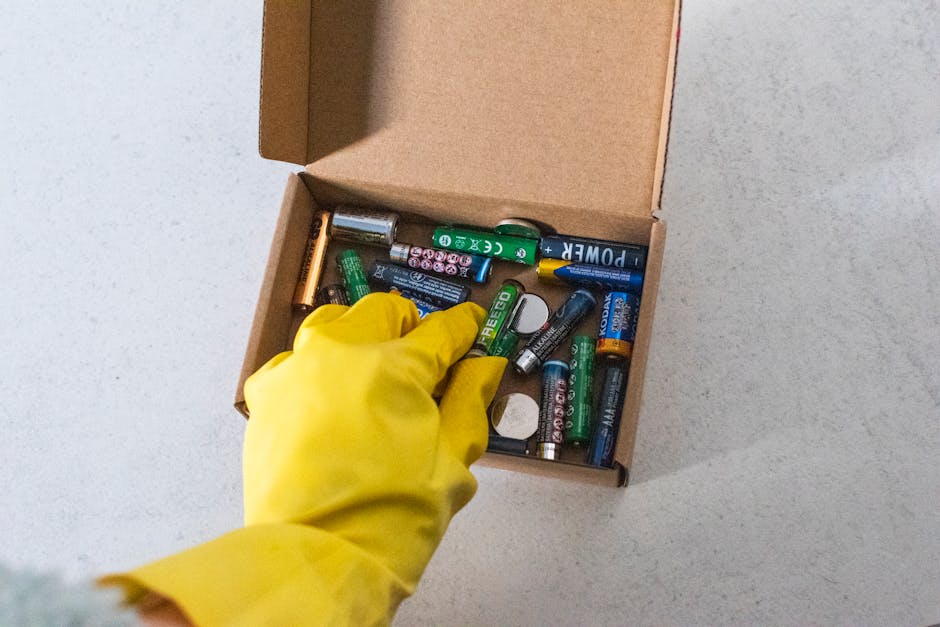
- batteries and power cells
- aerosols and pressurised containers
- fluorescent tubes and some lamps
- motor oil, fuel, or similar liquids
- pesticides and garden chemicals
- sharps, needles, or clinical waste where applicable
2. Check whether anything can be safely used up first
Sometimes the cleanest solution is to finish what you already own. Half a bottle of bathroom cleaner is better used in the old place, provided it is safe and sensible to do so. The same applies to pantry items or household products that can be responsibly consumed before the move. Just do not start mixing products or improvising. That way lies a headache.
3. Keep incompatible substances apart
Some materials should never sit together in storage or transport. Bleach and ammonia-based cleaners are a classic example because they can create dangerous fumes if mixed. Keep liquids in original containers where possible, lids secure, and labels visible. If the label has gone, treat the item cautiously.
4. Package items to prevent leaks and breakages
Use upright boxes, sealed containers, and secondary containment for anything that might spill. A tray, bin, or lidded tub can provide a second layer of protection. This is especially useful in a van or truck, where things shift during braking. Even a short journey across Lewisham can turn a loose bottle into a surprising mess.
5. Decide whether the item needs specialist disposal
Some hazardous waste can be handled through designated disposal routes, while other items may need a licensed carrier or specific collection arrangement. The point is not to guess. If you are unsure, assume the item needs extra care until you know otherwise.
6. Keep disposal separate from your moving load
Do not tuck hazardous waste into the same load as your bedding, kitchenware, or office equipment. It is too easy for a box to get opened in the wrong place or for a container to get damaged in transit. Separate handling also helps when the moving team is loading and unloading under time pressure.
7. Confirm the handover
When a hazardous item is collected or handed over for disposal, make sure you know who took it and what was agreed. For businesses, this documentation can matter a great deal. For households, the main value is reassurance. No mystery, no loose ends.
A sensible moving plan often links disposal with the rest of the packing process. If you are using packing and unpacking services, it is worth telling the team about any items that must not be packed with the main load. That small conversation saves a lot of back-and-forth later on.
Expert Tips for Better Results
These are the little habits that make hazardous waste handling less chaotic. Not flashy, just useful.
- Start early. Hazardous items take longer because they need sorting, checking, and sometimes a separate disposal route.
- Label clearly. Write on boxes or tubs in plain English: "paint", "batteries", "cleaners", "do not mix". That sounds obvious, yet people skip it all the time.
- Use one holding area. A utility room, garage corner, or spare shelf works well. Keep it away from heat and out of reach of children and pets.
- Photograph unusual items. If you have old containers without clear labels, a quick photo helps when seeking advice later.
- Keep receipts or product details where possible. It can make identification easier if there is any question about a substance.
- Double-check before loading. Right before the van leaves, do a slow visual check. A minute here can prevent a whole day of trouble.
One small but helpful trick: keep a simple "move now, dispose later" note for anything that cannot go straight away. It reduces the temptation to toss it into a random box just to get it out of sight. Out of sight is not the same as sorted. Not even close.
Common Mistakes to Avoid
Most errors are not dramatic. They are ordinary, rushed, and annoyingly easy to make.
- Mixing hazardous waste with general rubbish - this is the big one. It creates safety and legal risk.
- Pouring liquids down sinks or drains - never assume that is fine. Often it is not.
- Leaving items in hot cars or vans - heat can make aerosols, solvents, and other materials more dangerous.
- Transporting unlabelled containers without checking them - if you do not know what it is, do not treat it casually.
- Forgetting hidden storage areas - lofts, sheds, under-stair cupboards, and workshop shelves are the classic blind spots.
- Assuming "small amount" means "no rules" - even small quantities can be risky if handled badly.
There is also a quieter mistake: delaying the issue until the last packing session. Then suddenly you are standing over six bottles, two batteries, and a crusty paint tin at 10:30pm. Nobody needs that energy.
Tools, Resources and Recommendations
You do not need a complicated setup. A few plain tools are enough for most moves.
- Marker pens and labels for clear categorising
- Seal-able tubs or lidded boxes for liquids and loose items
- Gloves for handling dirty or potentially irritating containers
- Absorbent material such as old towels or packing paper for secondary containment
- A written inventory of hazardous items
- Camera phone to record labels or problem containers
For a larger or more complex move, especially where there are multiple rooms or commercial stock areas, it can also help to use a structured planning approach. That is where a service conversation about vehicle size, load type, and removal timing comes into play. If you need help with transport planning for non-hazardous items, moving truck and removal truck hire can support the general move while you keep hazardous items separate.
And if the move is more hands-on or short-distance, a man and van or man with van arrangement can still work well for the ordinary household load, provided the hazardous items have been removed from the plan first. That bit matters more than the vehicle type, to be fair.
Law, Compliance, Standards, or Best Practice
Without turning this into a lecture, the core legal idea is simple: hazardous waste must be handled responsibly, stored safely, and disposed of through an appropriate lawful route. In the UK, there are duties around proper segregation, safe carriage, and preventing harm to people or the environment. The exact obligations depend on what the waste is and whether the move is domestic or commercial.
For households, the practical focus is on safe separation and using a correct disposal route. For businesses, the expectations are usually stricter because commercial waste streams can include regulated substances, electrical waste, packaging contaminated by chemicals, or records-linked materials. If you are relocating a business, it is wise to review your internal duties before move day rather than after something has leaked.
Best practice generally includes:
- identifying hazardous items before packing starts
- keeping them segregated from general waste and from each other where necessary
- using suitable containers and safe storage conditions
- avoiding informal dumping, fly-tipping, or unapproved disposal
- retaining any relevant handover records for commercial waste
If you are responsible for an office or business premises, a written waste handling process is a sensible idea. It does not need to be complicated. Even a simple checklist and assigned responsibility can prevent confusion. The legal side is often about showing you took reasonable care, and reasonable care is much easier to show when you planned ahead.
For readers who care about the wider ethics of disposal as well as the legal basics, the site's health and safety policy and insurance and safety pages are useful related reading for understanding how careful handling fits into a safer move overall.
Options, Methods, or Comparison Table
There is no single best route for every hazardous item. The right method depends on what the item is, how much there is, and whether you are moving home or business premises. Here is a practical comparison.
| Method | Best for | Pros | Watch-outs |
|---|---|---|---|
| Use it up before moving | Small amounts of safe-to-use household products | Simple, no extra disposal task | Only suitable where safe and practical |
| Separate and store briefly | Items awaiting lawful disposal or collection | Keeps the move organised | Needs secure, labelled storage |
| Specialist collection | Commercial or more complex hazardous materials | Good for compliance and peace of mind | Requires planning and correct information |
| Drop-off through an approved route | Smaller domestic items where allowed | Often practical for a few items | Check suitability beforehand |
For most Lewisham moves, the best answer is a mix of the first and second methods: use what you can, separate what remains, and then arrange the proper disposal route for the rest. Clean, boring, effective. That is usually what you want during a move anyway.
Case Study or Real-World Example
Imagine a Lewisham flat move at the end of a tenancy. The household has two children, a stack of kitchen items, a half-full cupboard of cleaning products, and a small box in the hallway containing batteries, a blister pack of old medication, and three partly used paint tins from a DIY weekend that never quite ended. The family is focused on getting furniture out by Friday afternoon. Understandably so.
Instead of packing everything together, they set aside one crate for hazardous items and label it clearly. The medication is dealt with separately. The batteries are kept in a sealed container. The paint tins are checked to see whether they can be used up or whether they need a proper disposal route. Cleaning products are kept upright and away from other boxes. The moving team handles the furniture and general household goods, while the hazardous items never enter the main load.
The result? No leaks, no last-minute panic, no awkward surprise when the van doors open. The old flat is left cleaner, and the new home starts without the smell of solvents wafting around a hallway. Small win, but a real one.
The same logic works for a small office move in Lewisham. A storage cupboard full of sprays, toner cartridges, batteries, and old maintenance chemicals can be sorted before the main relocation. If the business team uses commercial moves alongside office relocation services, the operation usually runs much more smoothly because the hazardous side is controlled in advance.
Practical Checklist
Use this as a simple pre-move check. Print it, copy it, scribble on it. Whatever works.
- Walk through every room, cupboard, loft, shed, and storage area
- Identify all hazardous or potentially hazardous items
- Separate them from general packing boxes immediately
- Keep liquids sealed and upright
- Do not mix incompatible products
- Label containers clearly
- Decide what can be used up safely before the move
- Confirm which items need a special disposal route
- Keep children and pets away from the holding area
- Tell movers or packers about any items that must not be loaded
- Retain any relevant handover details for business waste
- Do a final visual sweep before the van leaves
If you are also sorting out furniture or bulky household items, it can help to combine planning with a broader removal schedule. Services such as furniture pick up can be useful for the things that are safe to move on their own, while you keep hazardous materials out of that stream entirely.
Conclusion
Disposing hazardous waste during a Lewisham move is not the most exciting part of relocating, but it is one of the most important. The legal steps are straightforward once you slow down, identify the risky items, keep them separate, and use the right disposal route. Do that, and you protect your home, your moving team, and your own peace of mind.
The bigger lesson is simple: move the safe things, sort the dangerous ones, and never let the two blur together. That approach saves time, money, and a fair bit of stress. And honestly, during a move, that is about as good as it gets.
If you are planning a Lewisham move and want the rest of the process handled carefully, it is sensible to compare options early and keep your hazardous waste plan separate from your packing plan. A calm move is rarely an accident; it is usually the result of a few careful decisions made before the boxes start piling up by the door.
Get a free quote today and see how much you can save.
Frequently Asked Questions
What counts as hazardous waste during a move?
Hazardous waste can include paint, solvents, strong cleaners, batteries, aerosols, oils, pesticides, fluorescent tubes, and some clinical or electrical items. If it could leak, react, burn, or harm someone if handled badly, treat it cautiously.
Can I put hazardous waste in the removals van?
Not automatically. Whether an item can travel depends on what it is, how it is packaged, and whether it is lawful and safe to transport. Many hazardous items should be kept separate from the main moving load and dealt with through an appropriate disposal route.
Is it illegal to throw hazardous waste in household bins?
It can be unlawful to dispose of hazardous waste in general household bins or mixed rubbish if it is not permitted to go there. The safest approach is to separate it and use the correct disposal method for the item.
Do I need to tell movers about hazardous items?
Yes, absolutely. Movers need to know what should not be packed or loaded with the rest of your belongings. Clear communication avoids accidents and saves time on the day.
What should I do with half-empty paint tins before moving?
First check whether the paint can be safely used up. If not, keep the tins sealed and separate from general items, then use an appropriate disposal route. Do not pour paint into sinks or drains.
Can batteries go in regular recycling or rubbish?
Usually they need separate handling. Batteries can be reactive and should not be tossed loosely into general rubbish. Keep them apart and follow the right disposal process for the type of battery.
What about old cleaning products from under the sink?
Those are often the items people forget about until the last minute. Keep them sealed, do not mix different cleaners, and store them away from heat and food. If they are no longer needed, arrange the proper disposal route before moving day.
What if I find an unlabelled container?
Do not assume it is harmless. Keep it isolated, avoid opening or mixing it with anything else, and seek guidance based on the container type and context. An unlabelled tin in a shed is never as innocent as it looks.
Do businesses in Lewisham have extra responsibilities?
Often, yes. Commercial premises usually have more formal duties around identifying, segregating, and documenting hazardous waste. Offices, workshops, and retail spaces should plan this part early rather than leaving it to the final clearance.
How early should I sort hazardous waste before a move?
As early as possible. Ideally, start during the first packing sweep rather than on move day itself. Hazardous items take longer because you need to identify them, separate them, and confirm the right disposal method.
Can I use packing services if I have hazardous items?
Yes, but you should clearly flag the hazardous items and keep them out of normal packing unless you have confirmed that they can be handled safely and lawfully. Good packing support works best when the tricky items are identified in advance.
Where should I keep hazardous items while I wait to dispose of them?
Store them in a secure, cool, dry place, away from children, pets, and food. Keep liquids upright, lids closed, and incompatible products apart. A utility room or locked cupboard is often better than a random box in the hall.
What is the smartest first step if I am overwhelmed?
Make a separate list of the hazardous items and put them in one safe holding area. That alone reduces the moving-day chaos a lot. Once the risky items are separated, the rest of the move becomes much easier to manage.